
Security
Security cameras and alarms by the beach: salt air, humidity and heat in Los Cabos
What to check when choosing and installing cameras and alarms near the ocean in Los Cabos so salt, humidity and sun don't shorten their life.
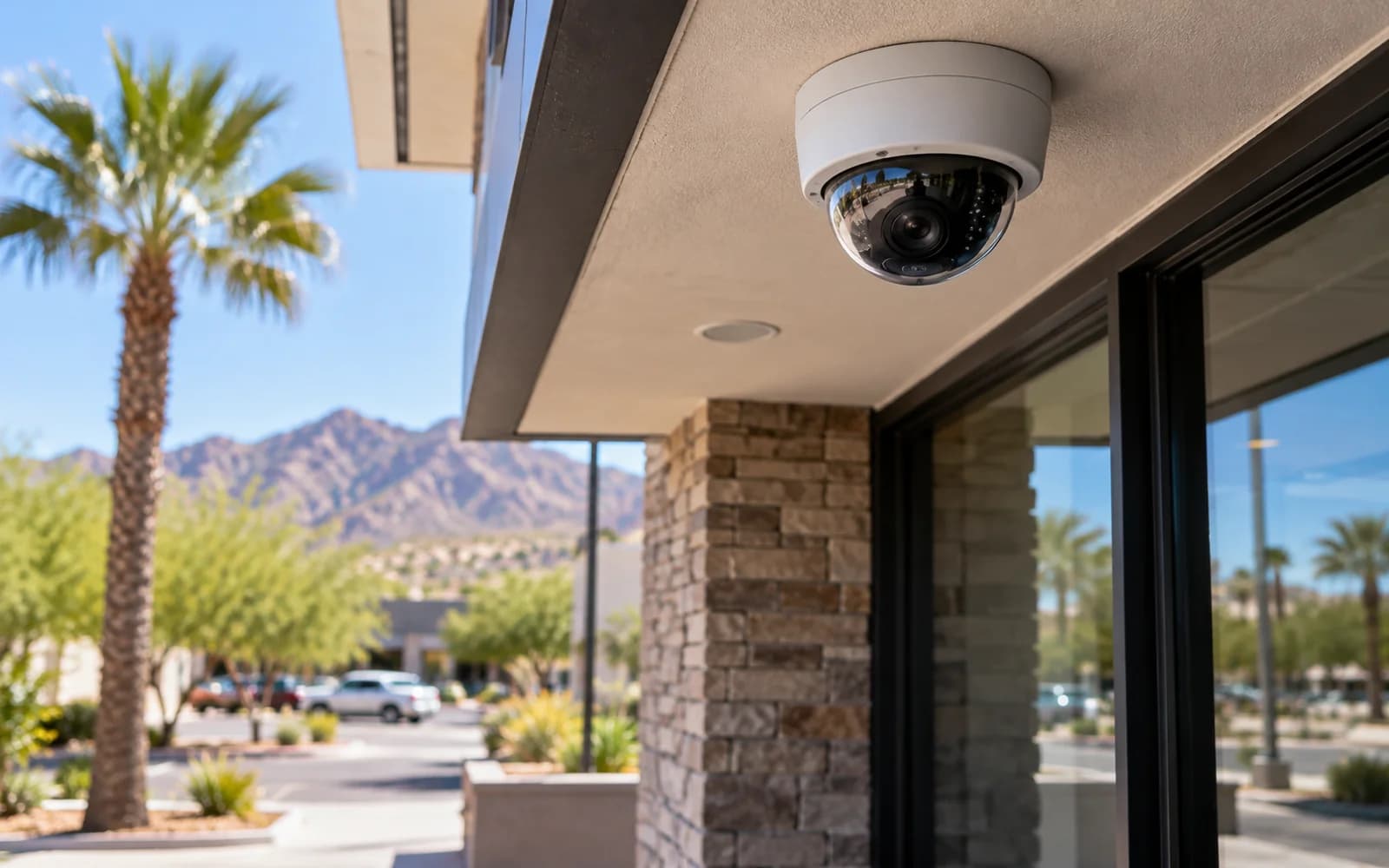
Security equipment in Los Cabos works in tough conditions: salty breeze, high humidity at night, direct sun almost all year and a rainy and hurricane season. A camera that lasts for years inland can start failing much sooner a few steps from the beach. The good news is that most of it can be prevented through the choice of equipment and how it is installed.
What salt air does to equipment
Wind-borne salt sticks to surfaces and, combined with humidity, forms a film that corrodes metal and connections. The first signs are usually rusty screws, stained housings, a blurry image from a clouded dome and intermittent connector failures. The damage rarely starts in the camera itself: it starts at the connection.
What to look for in a camera
- IP66 or IP67 protection against dust and water. That is the minimum for coastal outdoor use.
- Well-coated aluminum or polycarbonate housing, with stainless steel hardware.
- IK10 impact resistance if the camera is within reach.
- Night vision suited to the real distance you need, not just the number on the box.
- An operating temperature range that handles summer heat in direct sun.
Installation matters more than the brand
- Sealed connections: use weatherproof junction boxes and never leave connectors exposed.
- Outdoor-rated cable inside conduit, routed so water does not collect.
- Mount the camera under an eave when possible to reduce sun, rain and salt.
- Avoid pointing the lens at the morning or afternoon sun, which washes out the image.
- Keep the recorder and network equipment indoors, in a cool, ventilated spot.
Alarms: sensors and sirens
The same applies to alarms. Indoor sensors should be kept away from ocean-facing windows that are often open and from salty drafts. Outdoors, choose sensors and sirens designed for weather exposure, and make sure the panel's backup battery is in good shape for rainy-season outages.
Power protection
Storms and power cuts are part of the year in Baja California Sur. A voltage regulator or a UPS for the recorder, modem and alarm panel keeps the system recording during an outage and protects it from power surges.
Maintenance that really extends equipment life
- Clean lenses and domes with fresh water and a soft cloth, without abrasive chemicals.
- Check connectors, boxes and hardware for rust.
- Test night vision, recording and phone access.
- Check alarm batteries and power backups.
- Schedule a check before hurricane season and another one after it.
Near the ocean, a check every three to six months is usually enough to catch problems before the system stops recording.
Is your home or business near the beach?
At PROTECH we visit the site before quoting so we can recommend equipment and installation methods for your location. Tell us where your property is and what you want to monitor, and we will prepare a written estimate.